Major Home Additions & Expansions in the Bay Area
How to Expand Your Home Without Compromising Its Architecture
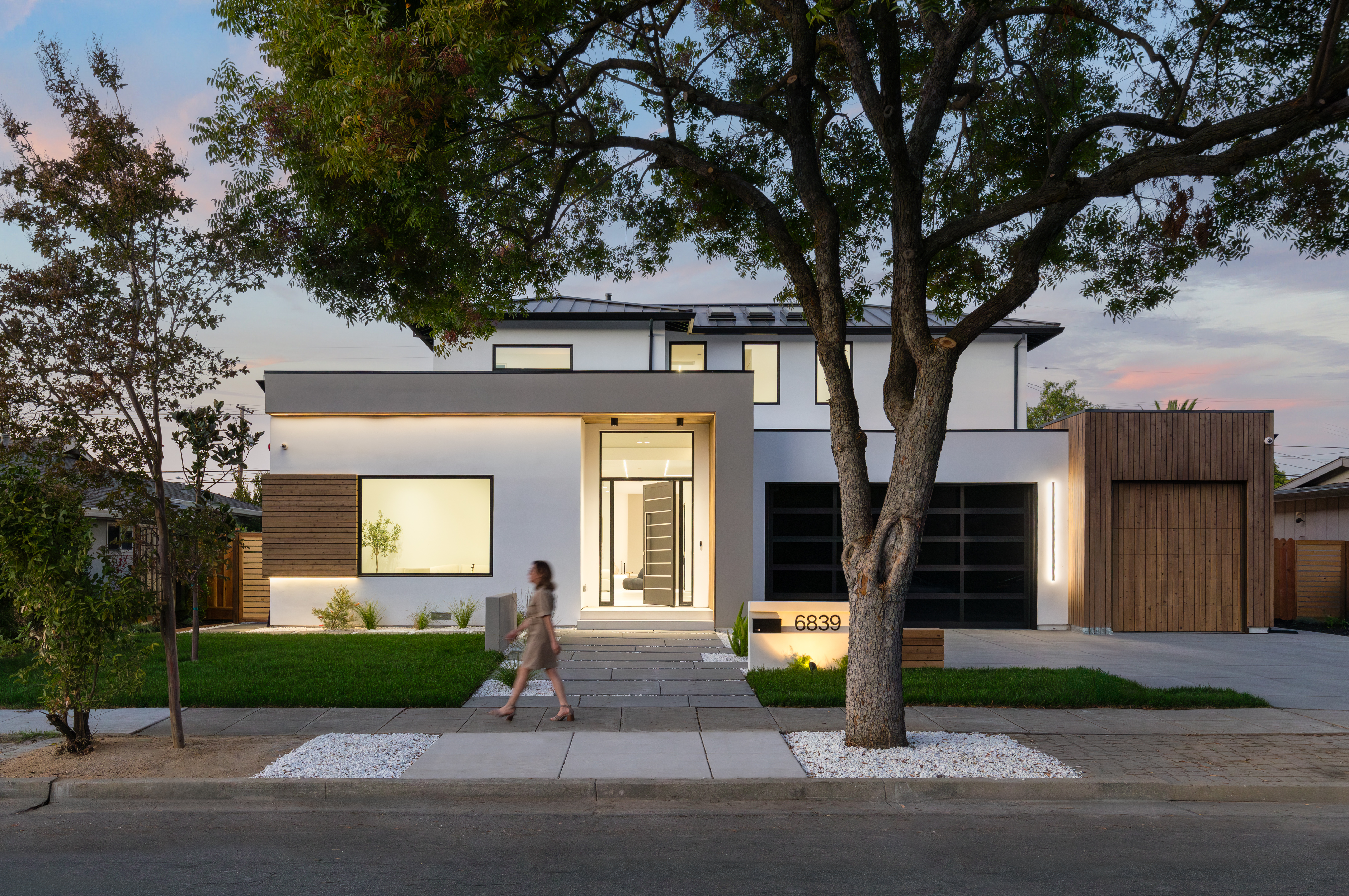
A successful home addition should feel like it was always part of the original home. Many additions fail because they are treated as extensions rather than integrated designs. Differences in rooflines, ceiling heights, materials, and structural systems can create a disjointed result that reduces both aesthetic value and long-term performance.
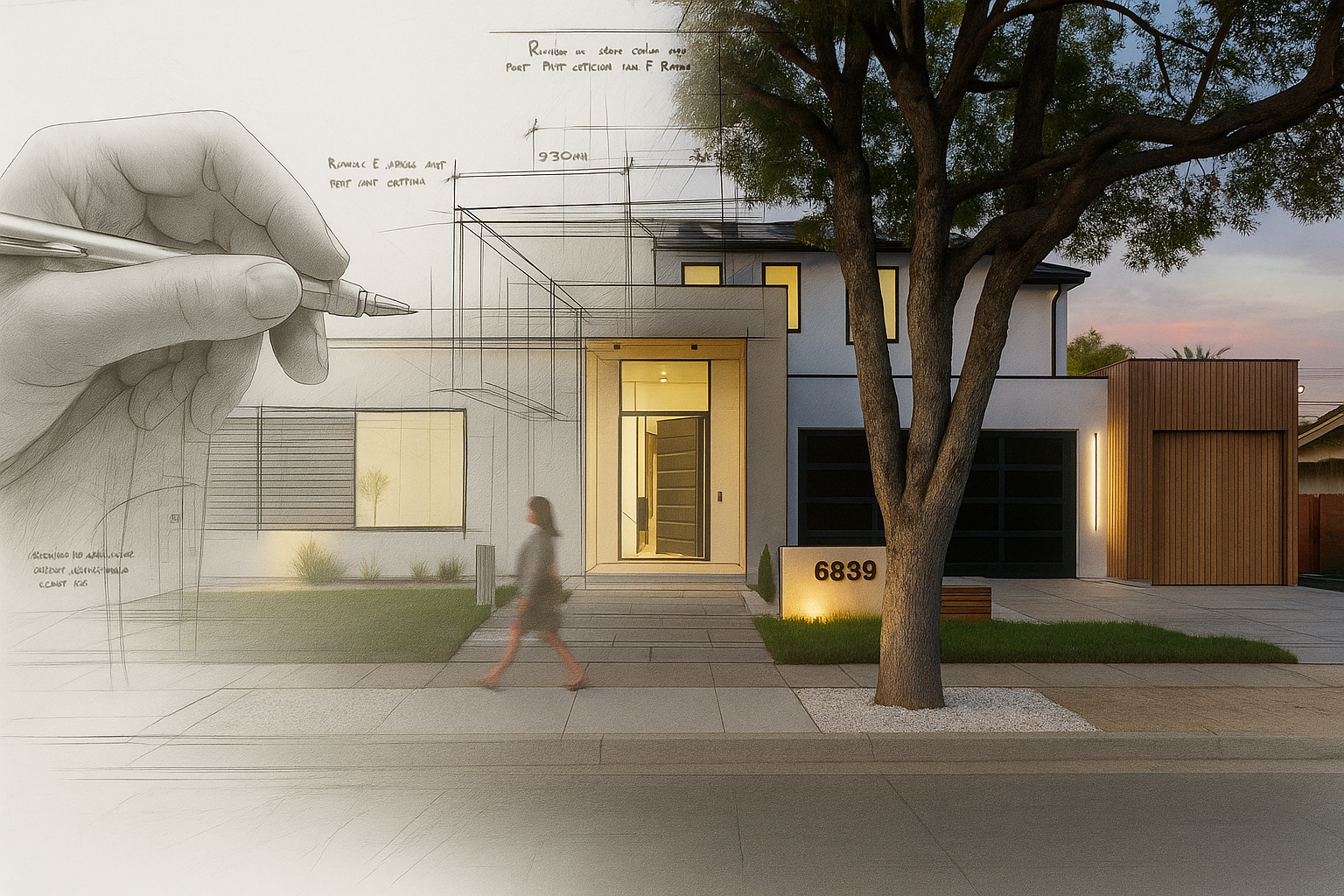
Ritz Builders approaches every expansion as a full architectural problem. We evaluate the existing structure, analyze load paths and framing systems, and redesign key elements so the addition blends seamlessly with the home’s original form. The result is a cohesive, high-end residence that feels unified inside and out.
Why Homeowners Choose Ritz Builders for Major Additions
Architect-Led Design-Build
Ritz Builders operates as a fully integrated design-build firm. Architecture, engineering, permitting, and construction are managed under one team, ensuring alignment across design intent, cost, and execution.
Feasibility-First Planning
Before design begins, we analyze zoning, FAR limits, structural feasibility, and site constraints. This prevents costly redesigns and ensures the project is viable from the start.
Integrated Engineering & Structural Coordination
Major additions require structural integration with the existing home. Our team coordinates framing, foundation modifications, seismic upgrades, and load transfers early in the process to avoid issues during construction.
White-Glove Execution
From pre-construction through final delivery, projects are managed with a high level of communication, scheduling discipline, and craftsmanship. Homeowners are guided through each phase with clarity and transparency.
Limited Projects for Precision & Focus
We take on a limited number of projects at a time to maintain quality, attention to detail, and execution standards across every build.
Ritz Builder’s Process for Major Home Additions in the Bay Area
1. Feasibility, Site Constraints & Zoning Analysis
We evaluate the property’s zoning, FAR limits, setbacks, and structural conditions. This phase determines what can realistically be built before design begins.
2. Architecture, Structural Design & 3D Visualization
Architectural plans and structural systems are developed together. 3D renderings help visualize how the addition integrates with the existing home.
3. Planning, Permitting & City Plan-Check Management
We manage the full permitting process, including planning approvals, plan-check corrections, and coordination with local Bay Area jurisdictions.
4. Pre-Construction, Budget Alignment & Scheduling
Detailed budgeting, material selections, and scheduling are finalized before construction begins to ensure cost and timeline alignment.
5. Construction, Structural Integration & Execution
The addition is built while integrating with the existing structure. This includes framing tie-ins, foundation work, and system coordination.
6. Final Delivery, Inspections & Post-Completion Support
Final inspections, quality checks, and walkthroughs are completed, followed by post-construction support to ensure long-term performance.
How Much Does a Major Home Addition Cost in the Bay Area?
Most major home additions in the Bay Area range from $400 to $1,000+ per square foot depending on complexity.
The cost of a home addition varies based on structural requirements, design level, site conditions, and the extent of integration with the existing home. Projects that involve second stories, basements, or full reconfigurations typically fall on the higher end due to engineering complexity and construction scope.
Additional cost factors include permitting requirements, structural upgrades, utility modifications, and interior finish level. Ritz Builders provides detailed budgeting early in the process so homeowners understand the full investment before construction begins.
Typical Timeline for a Major Home Addition Project
Most major home additions take 12 to 24 months from feasibility to completion.
- Feasibility & Site Analysis: 2–6 weeks
- Design & Architecture: 2–4 months
- Permitting & Plan Check: 3–9+ months depending on the city
- Construction: 8–18 months
Timeline varies based on project complexity, jurisdiction requirements, and scope. Ritz Builders manages each phase to minimize delays while maintaining quality and compliance.
Navigating Bay Area Zoning, FAR & Permitting Constraints
Zoning and FAR limits determine how much you can expand your home.
Bay Area cities regulate home additions through Floor Area Ratio (FAR), setbacks, height limits, and lot coverage rules. Additional constraints may include heritage trees, hillside ordinances, and wildfire (WUI) requirements.
Basements, second stories, and detached structures may be treated differently depending on the jurisdiction. Each city, including Menlo Park, Palo Alto, and Los Altos, has its own interpretation of these rules. Ritz Builders evaluates these constraints early and incorporates them into the design process to avoid delays and maximize buildable space.
Types of Major Additions & Expansions We Build
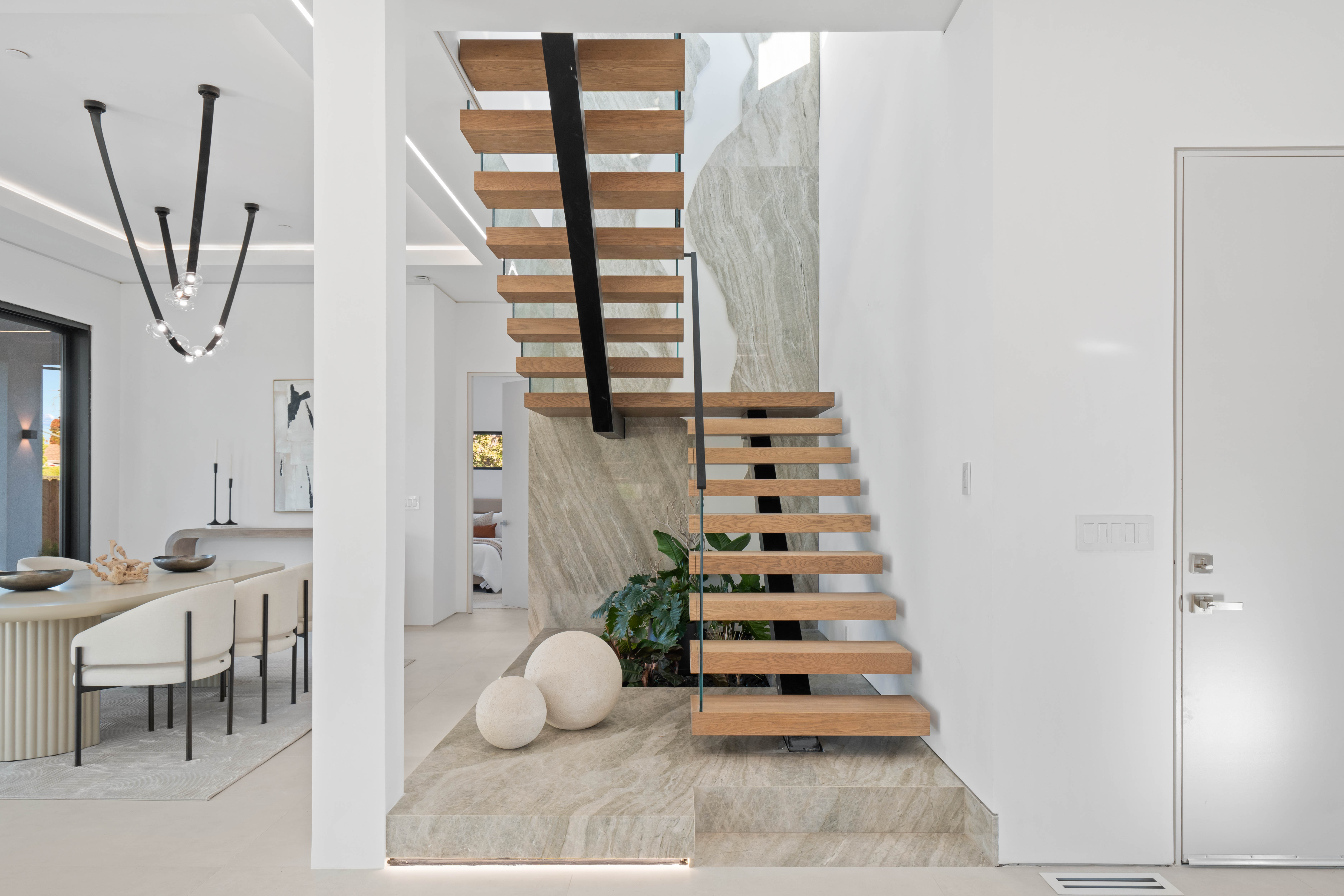
Second Story & Vertical Expansions
Adding a second story increases square footage without expanding the home’s footprint, but requires structural reinforcement and careful design integration.
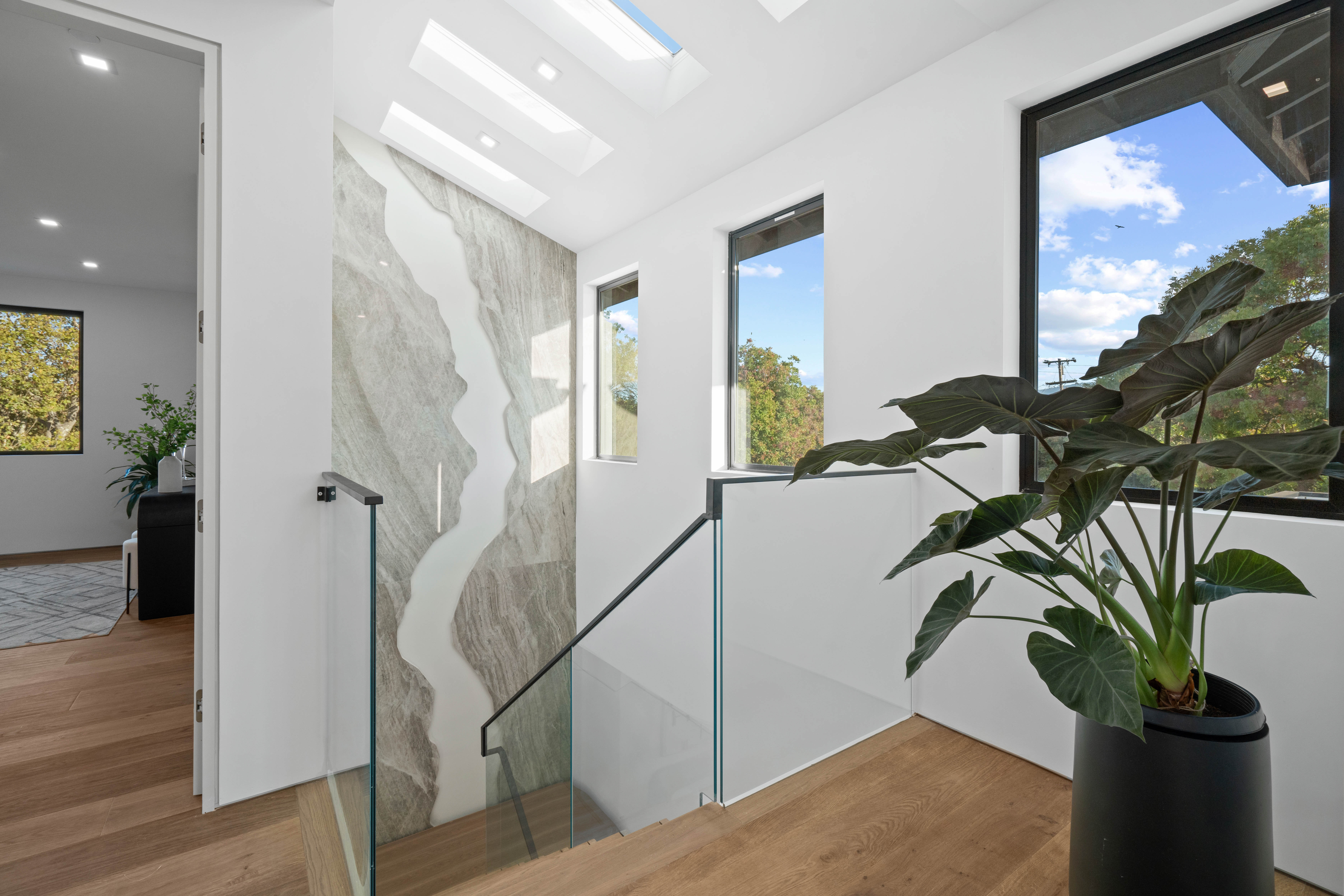
Lateral Wing & Rear Additions
Expanding outward adds living space through new wings or rear extensions, often improving flow and indoor-outdoor connection.
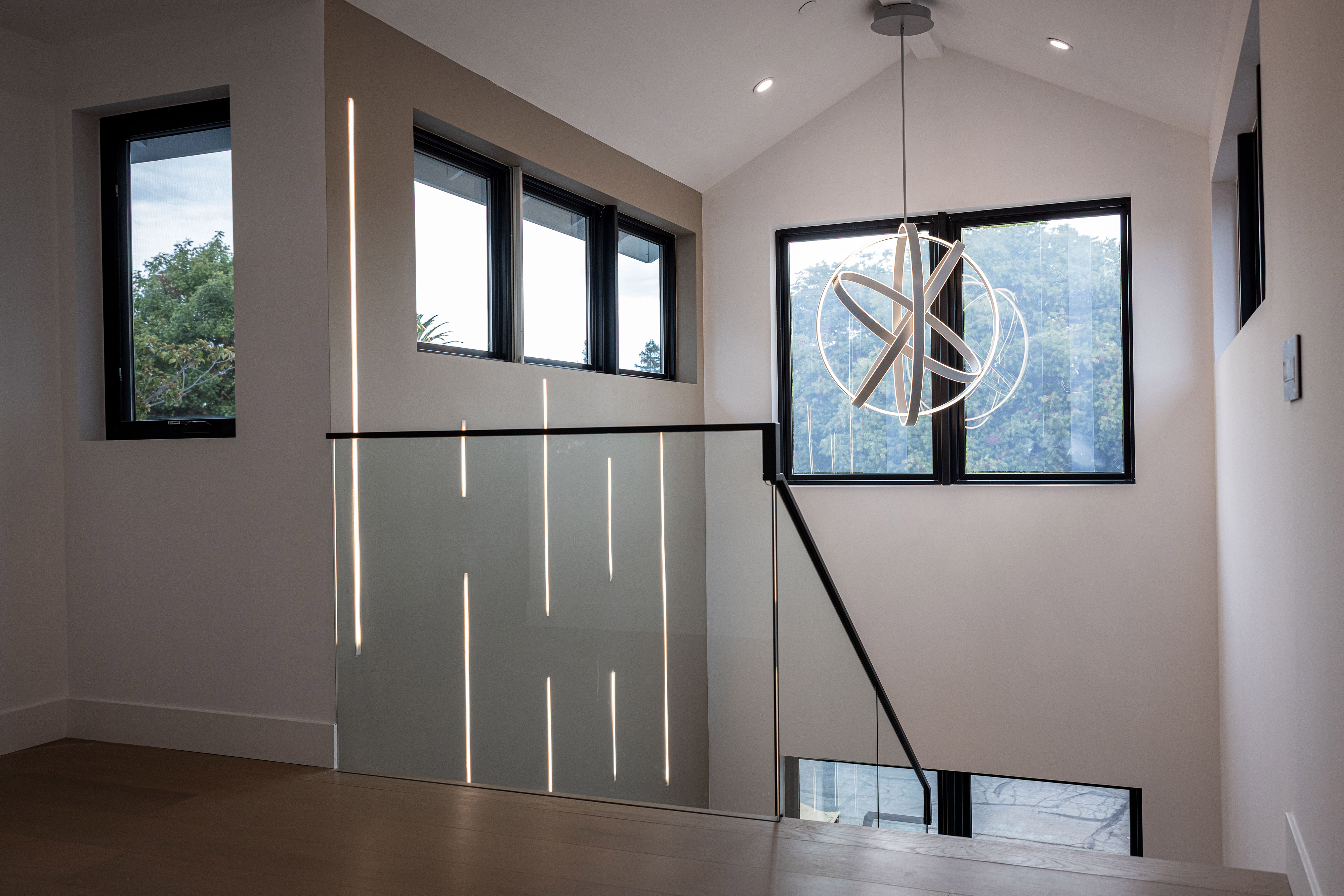
Basement Excavation & Below-Grade Expansions
Basements create additional space below grade for entertainment, storage, or living areas, often requiring excavation and structural upgrades.
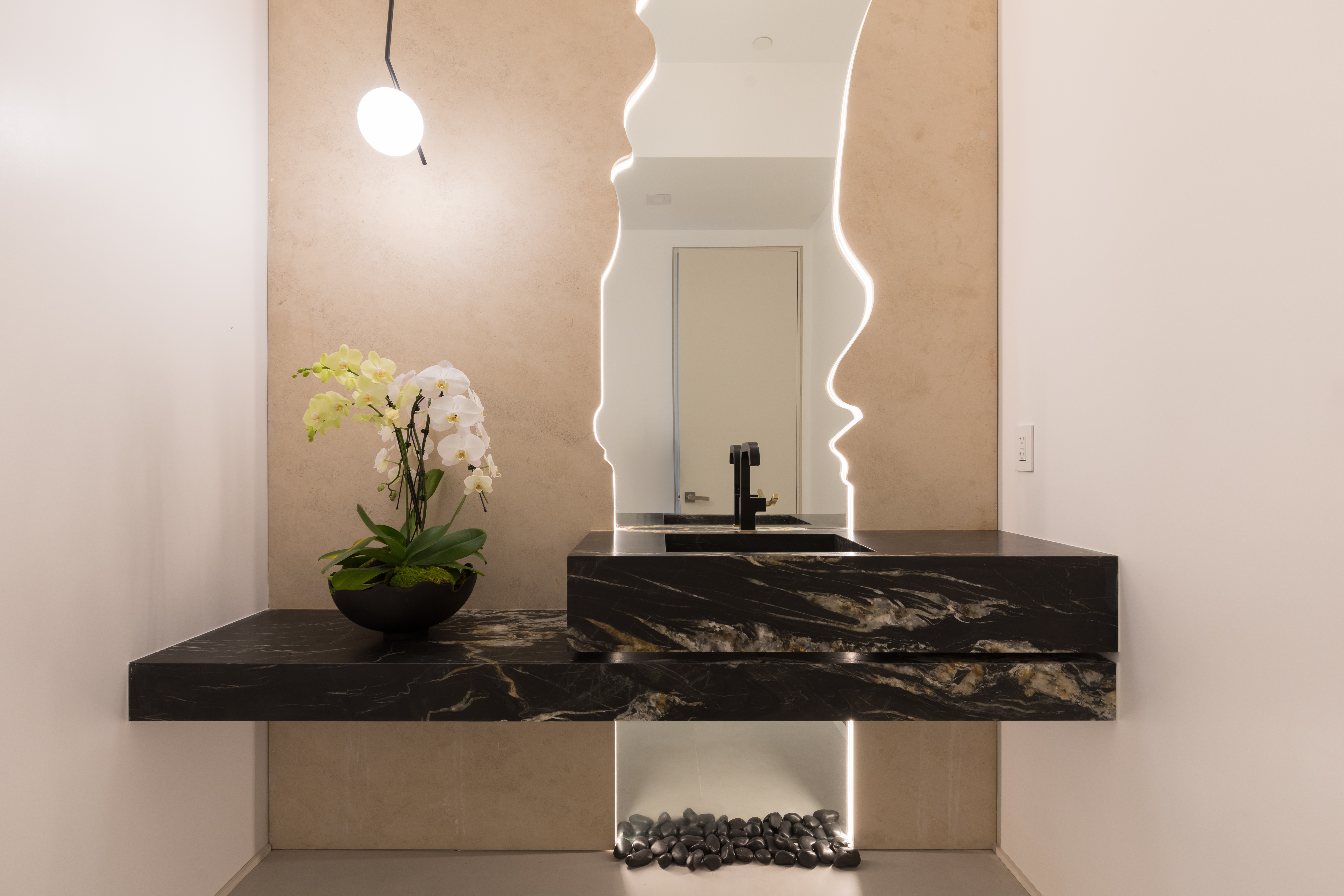
Guest Houses, ADUs & Detached Structures
Detached structures provide independent living space and are subject to separate zoning and permitting requirements.
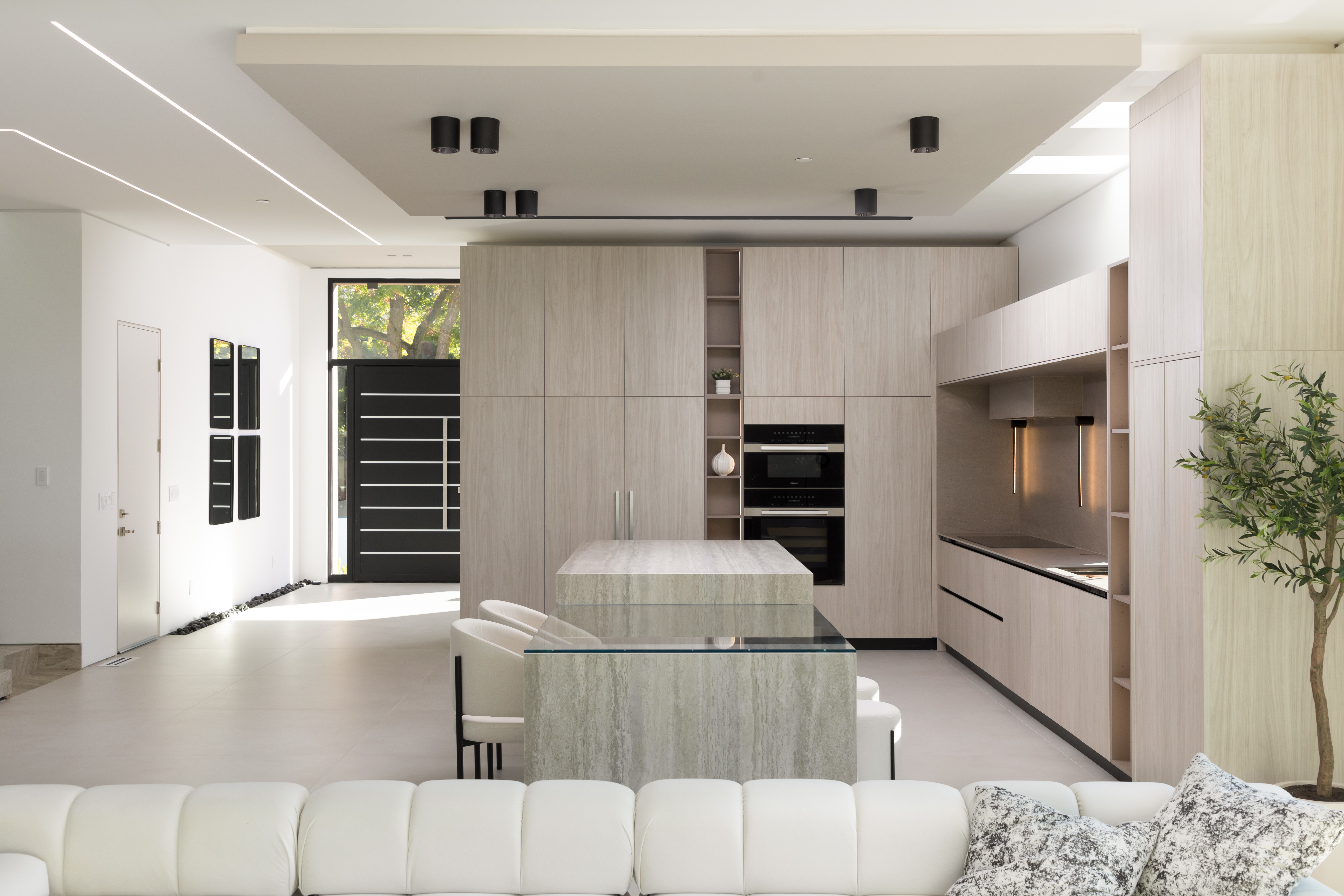
Full Home Reconfiguration & Modernization
Some projects involve combining additions with full interior reconfiguration to modernize the entire home.
View More Examples
Explore our portfolio to see various major home additions across the Bay Area.
Explore Projects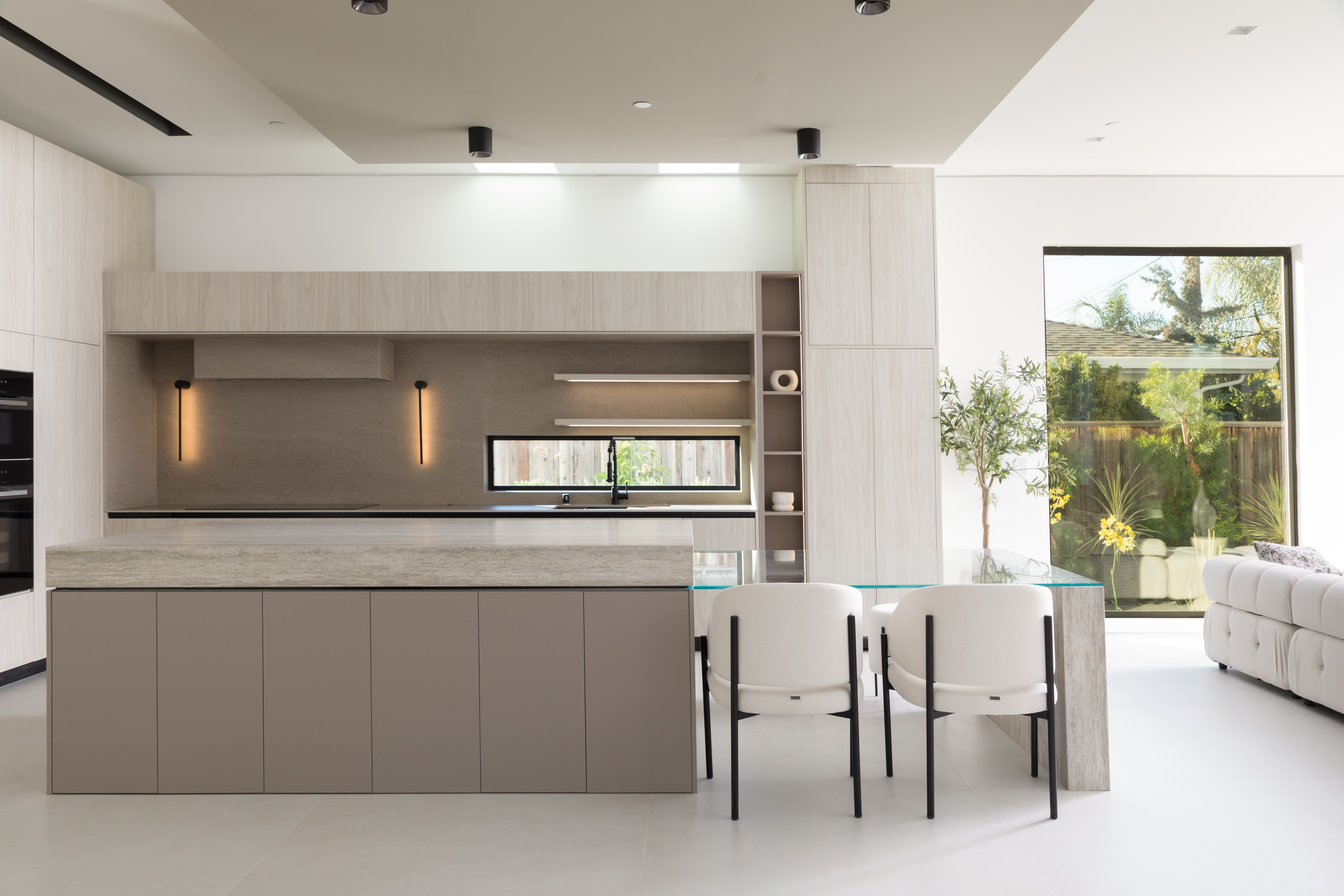
How Ritz Builders Reduces Risk in Complex Home Additions
The biggest risks in home additions are misalignment between design, structure, and construction.
Many projects face delays, cost overruns, or structural issues because architecture, engineering, and construction are handled separately. This creates gaps in coordination that surface during the build.
Ritz Builders reduces this risk by integrating all disciplines under one team. Structural systems are planned alongside design, budgets are aligned early, and construction is executed based on a coordinated plan. This approach minimizes surprises and delivers a more predictable, controlled building experience.
Frequently Asked Questions About Home Additions
A major home addition increases the size and structural footprint of the home, while a remodel improves or reconfigures space that already exists. Additions often involve new foundations, framing, roofline changes, engineering, and city review, especially for second stories, basement expansions, and large-scale reconfigurations. In the Bay Area, the difference matters because additions usually trigger more complex zoning, FAR, and permitting considerations than a standard remodel.
In many cases, yes. Major home additions in the Bay Area often require planning review, building permits, and city approval, especially when the project affects floor area ratio (FAR), setbacks, height limits, lot coverage, or neighborhood design rules. Some projects may move through staff review, while others may require a planning commission hearing depending on the city and the scope. Ritz Builders evaluates approval risk early so homeowners understand the likely path before design progresses too far.
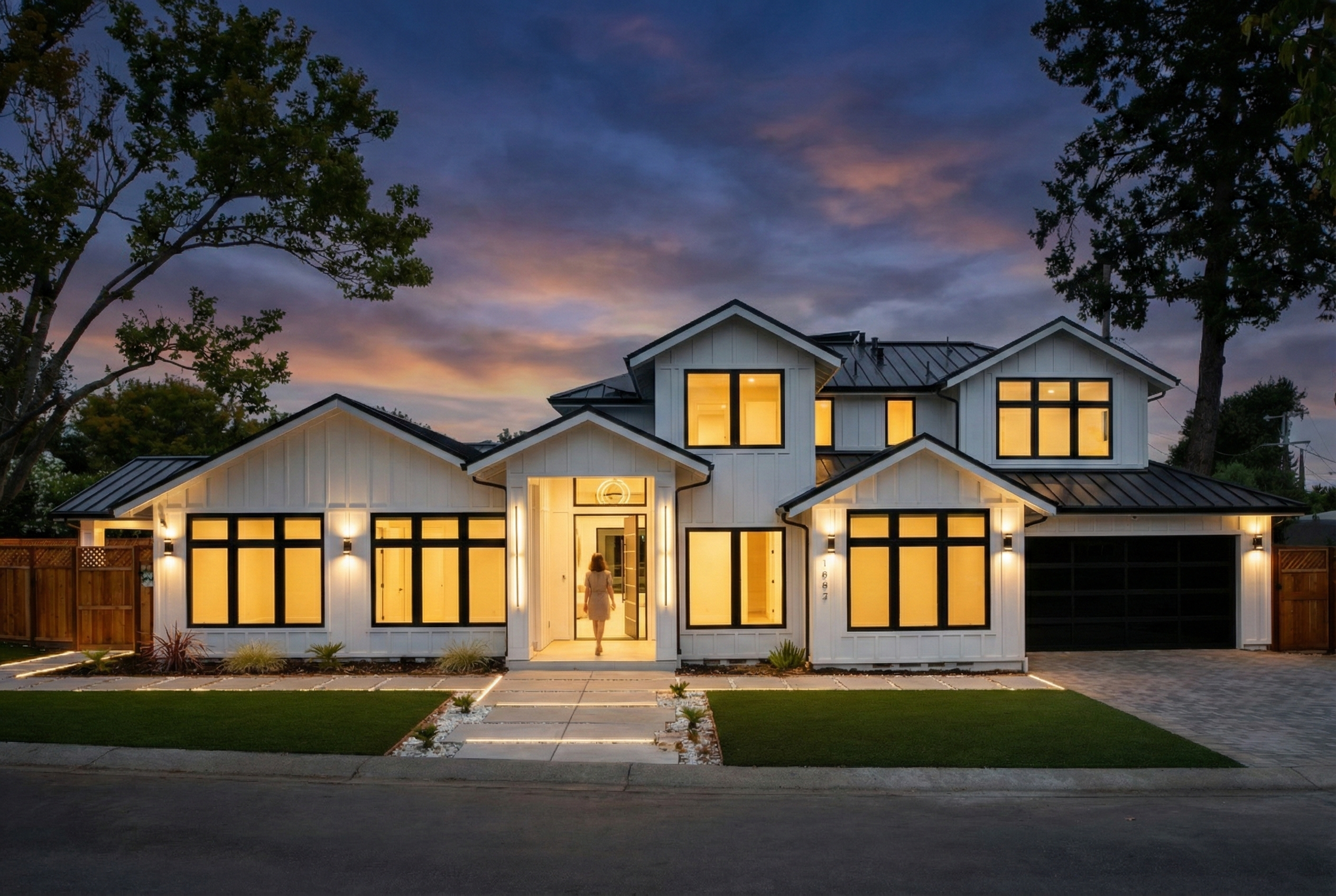
A successful addition should feel like it was always part of the home, not attached later as an afterthought. Ritz Builders aligns rooflines, ceiling heights, proportions, materials, window patterns, structural systems, and interior finish continuity so the new space integrates naturally with the original architecture. This is especially important in luxury homes, where even small mismatches in form or detailing can make the expansion feel disconnected.
Sometimes, but it depends on the city and how the basement is designed. In many Bay Area jurisdictions, whether basement space counts toward FAR depends on factors such as ceiling height above grade, site slope, exposed walls, and overall code interpretation. This is why below-grade expansions need to be evaluated early during feasibility. Ritz Builders reviews these variables upfront to determine whether a basement can add meaningful space without creating unexpected zoning issues.
Most major home additions in the Bay Area fall in the range of $400 to $1,000+ per square foot, depending on complexity, level of finish, structural integration, and site conditions. Second-story additions, basement excavations, and whole-home reconfigurations typically cost more than simpler lateral expansions because they require more engineering, coordination, and construction sequencing. The most accurate way to understand cost is through feasibility, scope definition, and early budget alignment rather than relying on generic online averages.
Most major home additions take about 12 to 24 months from feasibility through final completion, though timing depends heavily on the city, approval path, and structural complexity. A typical project includes feasibility and site analysis, architecture, permitting and plan check, pre-construction, and then the construction phase itself. In the Bay Area, permitting alone can take several months, which is why experienced planning and permit management is critical to keeping the project moving.
Yes. Ritz Builders designs and builds guest houses, ADUs, and detached living structures as part of larger estate planning strategies or standalone expansion projects. These structures must still comply with local zoning, access, utilities, privacy, and size regulations, and the rules can vary significantly by jurisdiction. Our team evaluates how an ADU or guest house fits within the broader property plan so the result feels intentional, functional, and aligned with the main residence.